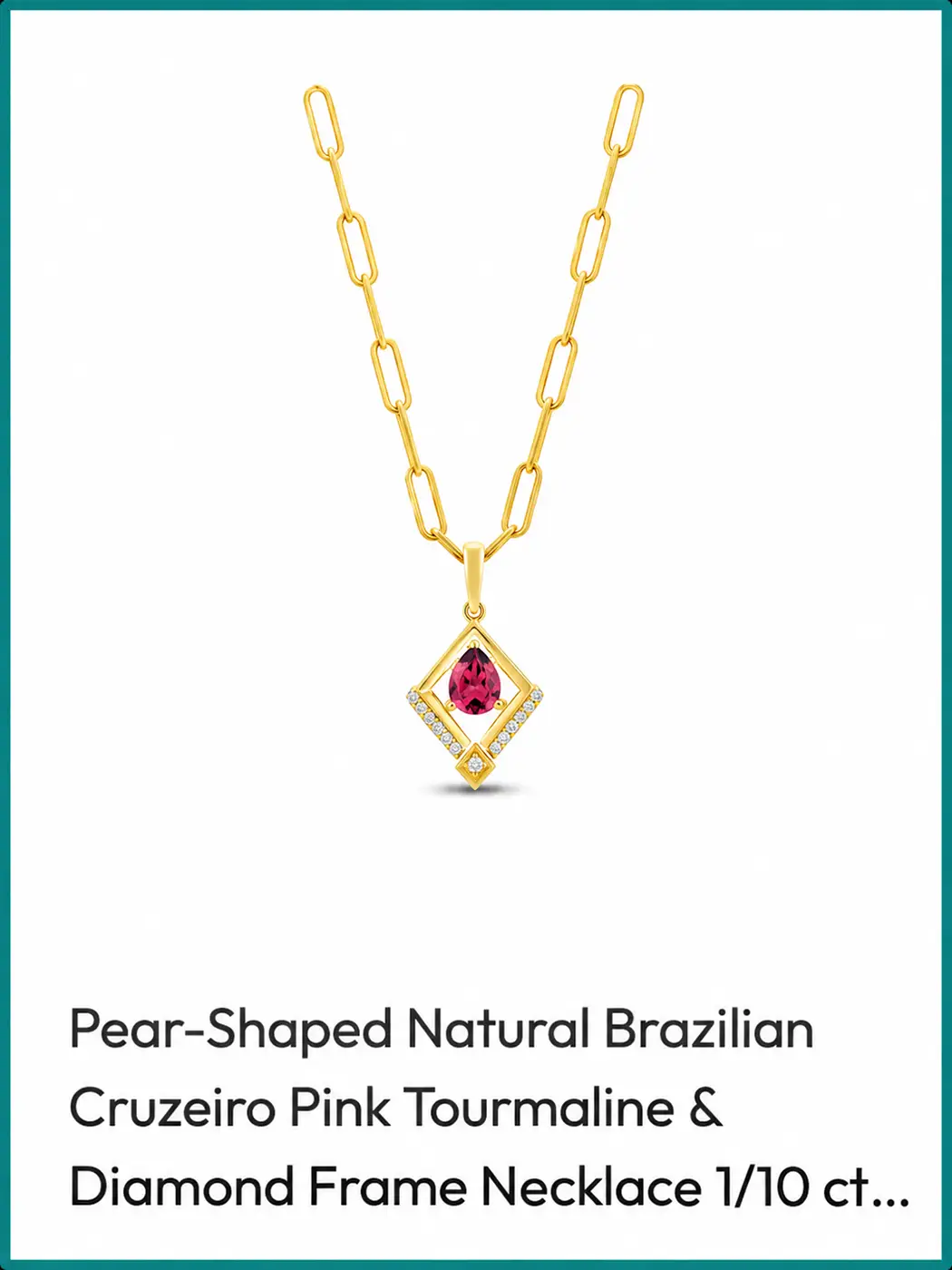
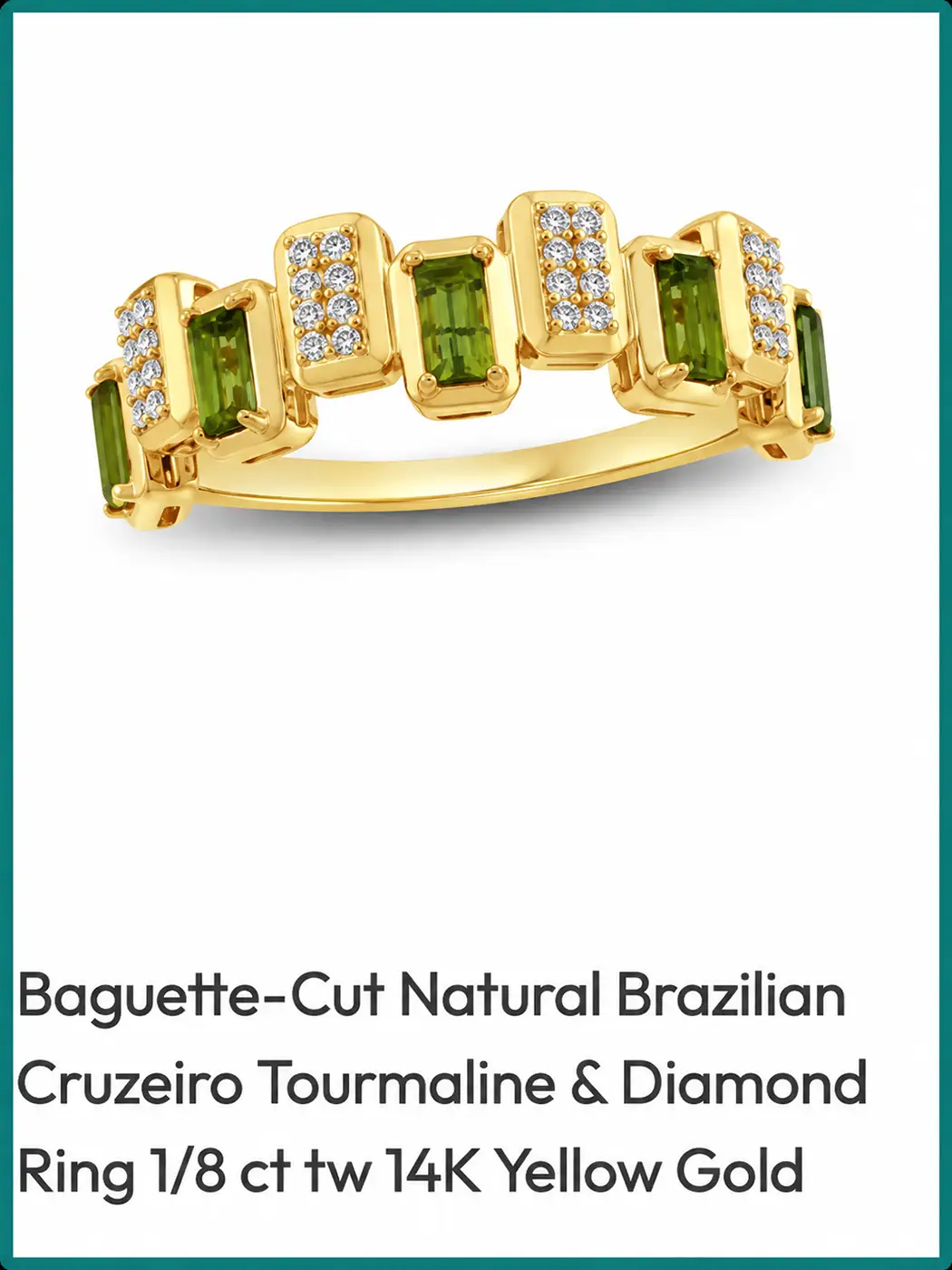
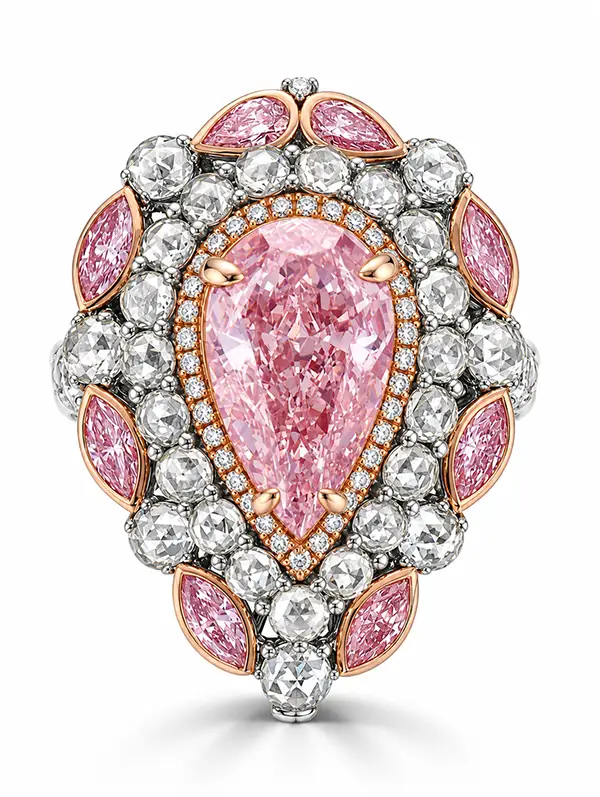
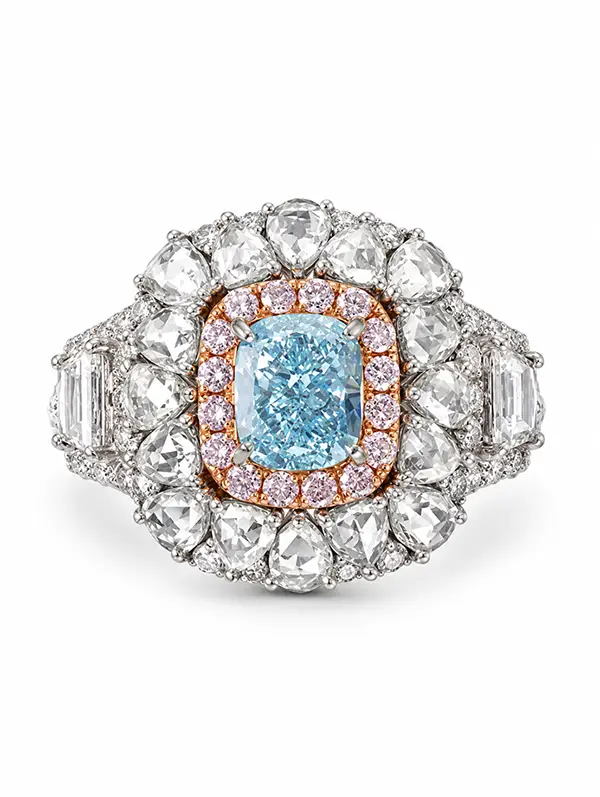
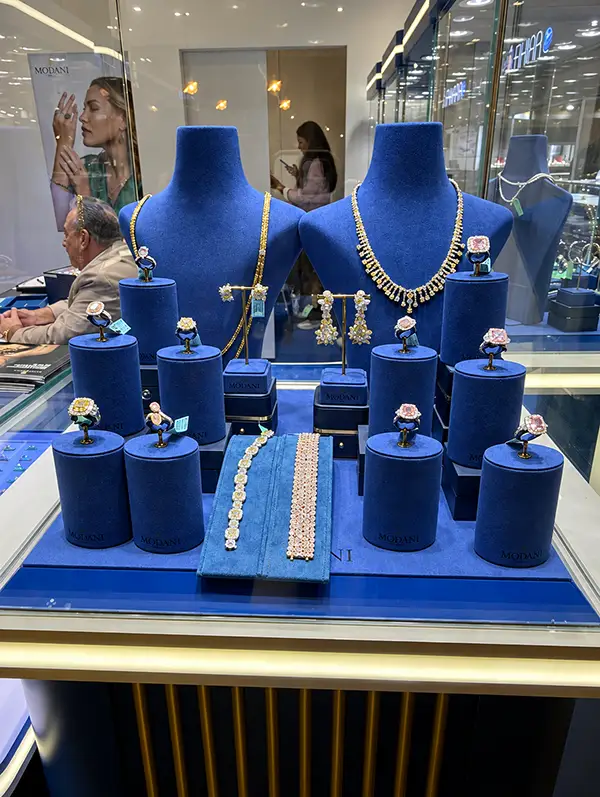
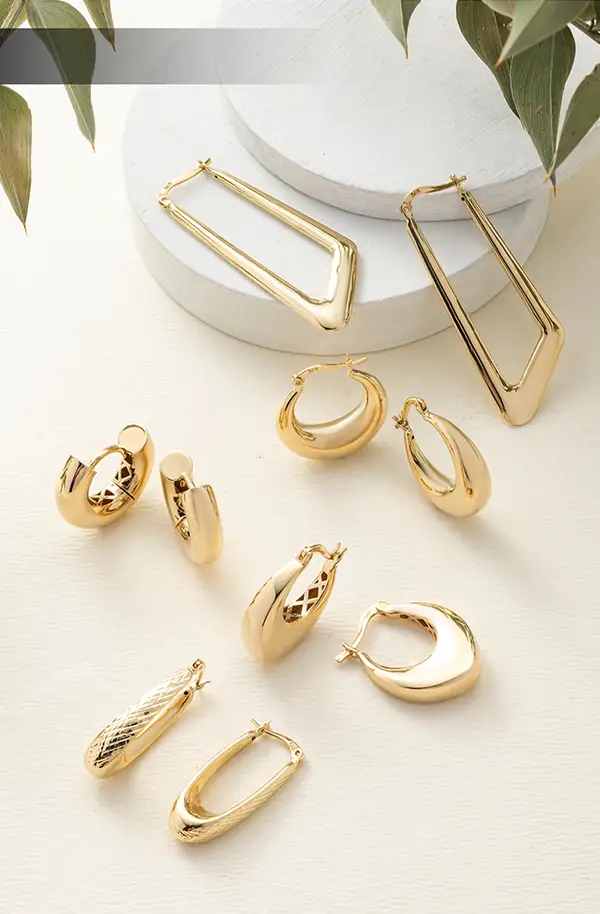
A multi-location jewelry retailer had a significant amount of existing inventory across 20 stores, but the assortment lacked cohesion, storytelling, and a clear merchandising strategy. The product was there, but the customer-facing narrative was not.
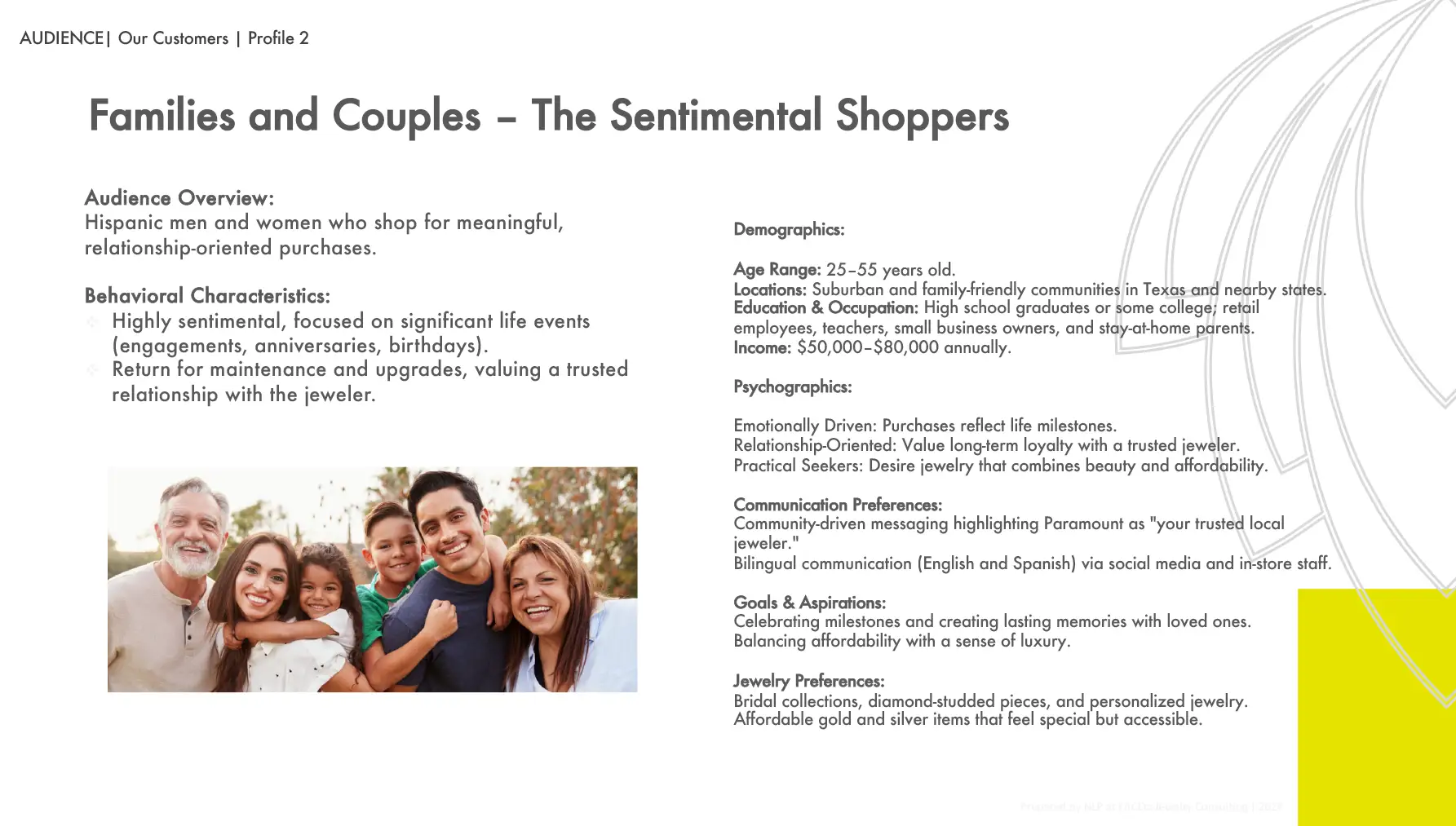
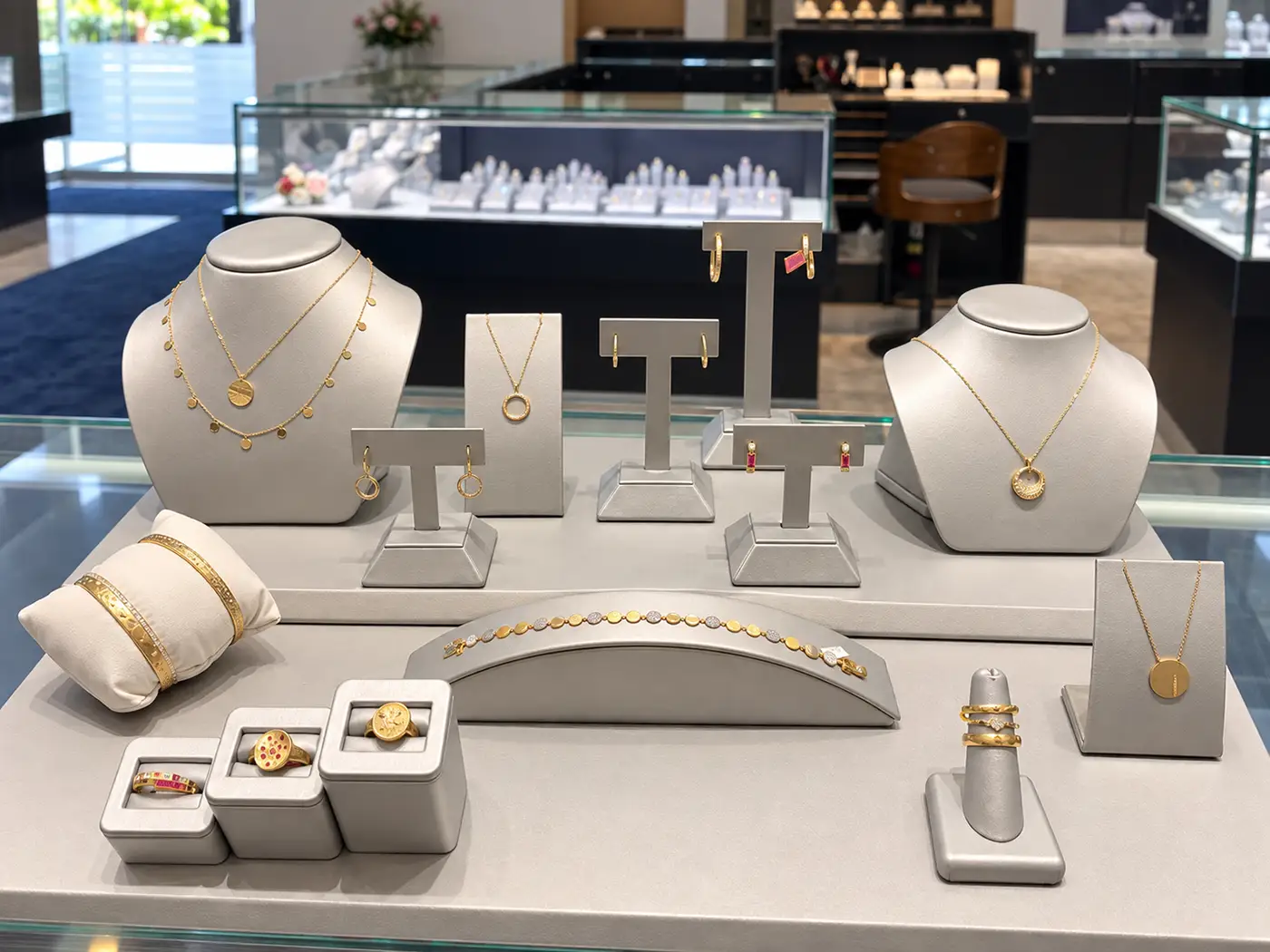
FACEts reviewed the existing assortment, identified opportunities within current inventory, and developed four branded collections with distinct product stories, target customer personas, and merchandising direction. The work included collection naming, brand language, visual merchandising guidance, and clearer buying parameters for future product decisions.
$4M USD of existing inventory was repositioned into more compelling, story-driven collections. The project refined the company’s brand purpose, streamline future buying decisions, and created a more disciplined purchasing cadence rooted in customer profiles and collection strategy.
A large independent jewelry retailer in a prime affluent market was underperforming despite its strong location and substantial retail footprint. The space was underutilized, the merchandising lacked focus, the fashion business had become stale, and Y-O-Y sales were declining.
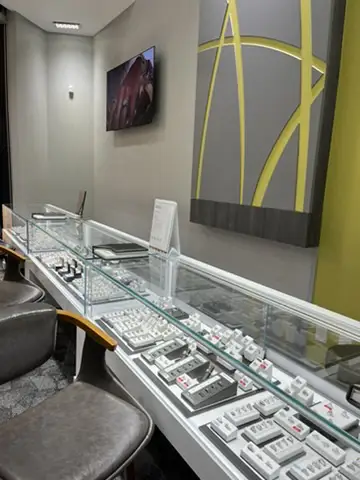
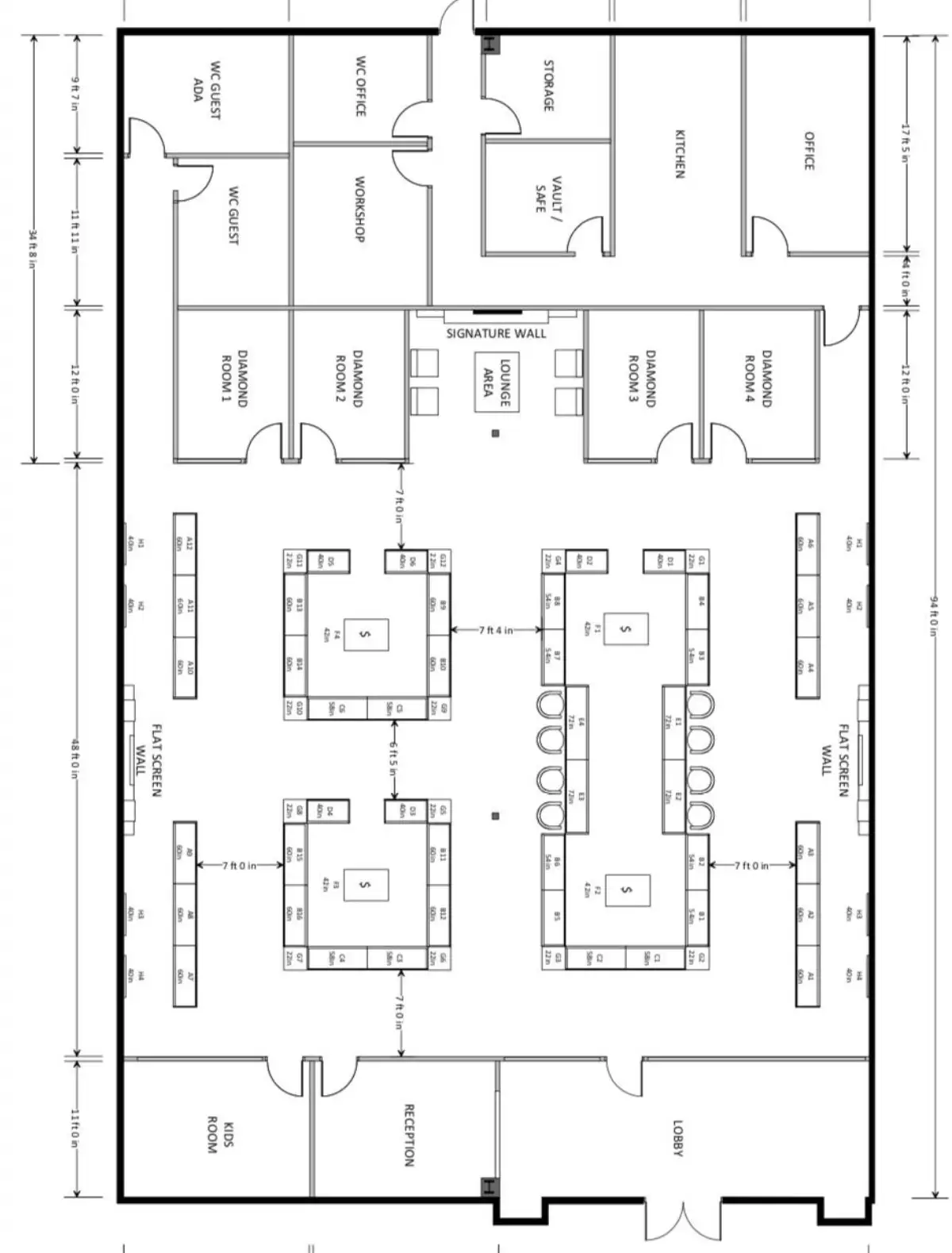
FACEts was on-site to reimagine the store experience across product placement, traffic flow, brand visibility, and assortment strategy. The work included repositioning key categories, evaluating brand performance, identifying assortment gaps, developing sell-down and RTV strategies, and creating new collections from existing fashion inventory. FACEts also collaborated with leadership to strengthen digital and social exposure.
The client gained a clearer merchandising structure, improved traffic flow, stronger category storytelling, and a more disciplined approach to buying. Existing inventory was repositioned with greater intention, helping reduce unnecessary purchasing and shift the team away from a reactive “sell one, buy one” model toward testing, replenishment, and strategic collection-building.
A national jewelry retailer with more than 200 locations needed a differentiated signature collection that could strengthen brand equity, protect margin, and create a more ownable product story across brick-and-mortar and digital channels.
The opportunity was to move beyond trend participation and develop a collection strategy rooted in the retailer’s brand positioning, core customer, and long-term commercial goals.
FACEts worked directly with the CEO and C-suite executives to understand the retailer’s business objectives, brand position, customer opportunities, and merchandising needs. The engagement included store visits, data review, assortment analysis, and strategic conversations around how to create a more distinctive product POV.
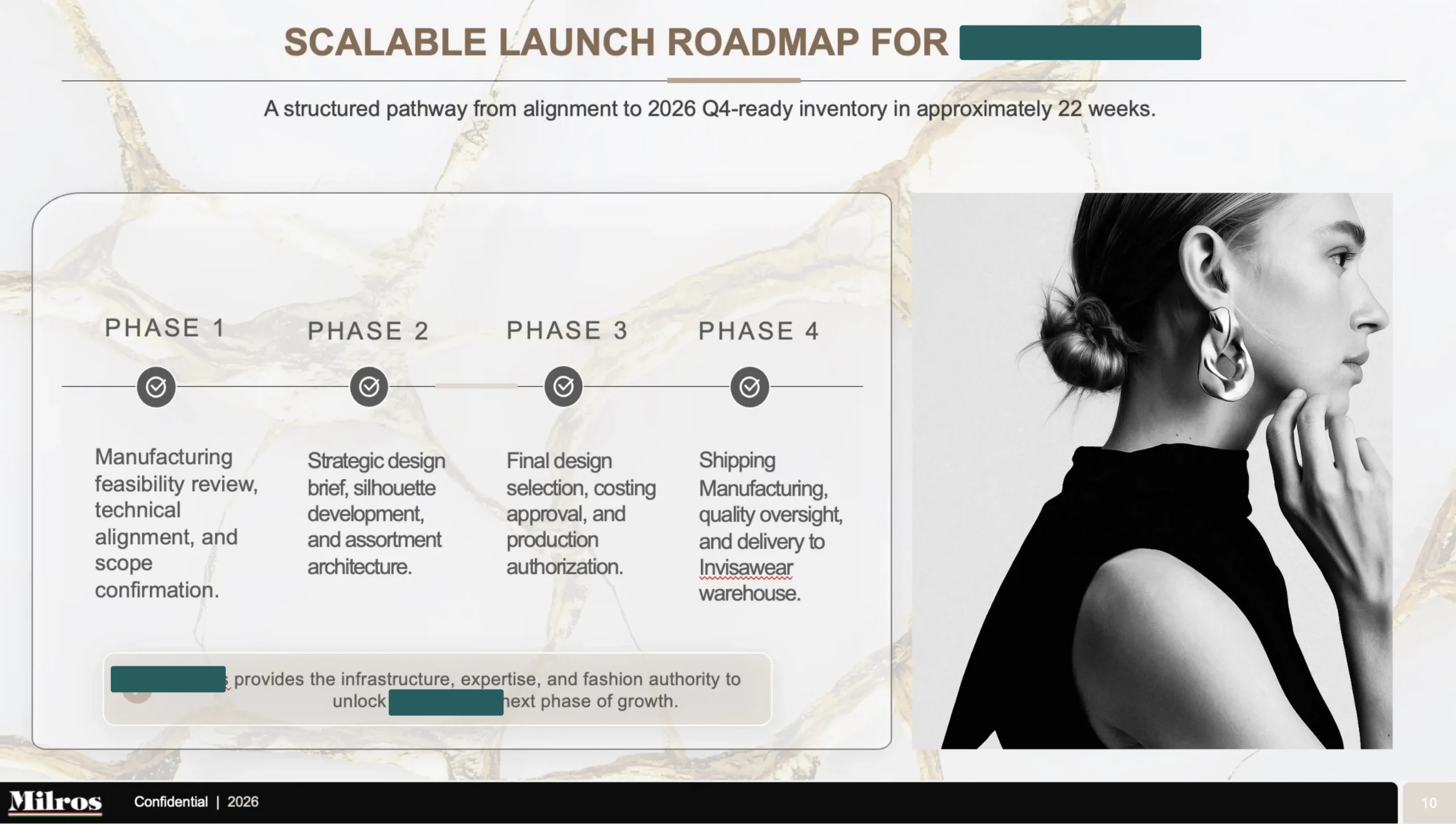
From there, FACEts provided merchandising and collection direction paired with over 80 maison-caliber hand-rendered designs. Four distinct design stories were developed to support a stronger signature look while balancing creativity, commercial viability, margin potential, and customer relevance.
The concepts were commercialized as part of the retailer’s new Signature Collection for national launch in May of 2026, both in-store and online.
This project underscored how data analysis, design direction, merchandising strategy, and brand storytelling can work together to create scalable commercial collections with a clearer point of view and stronger brand ownership.
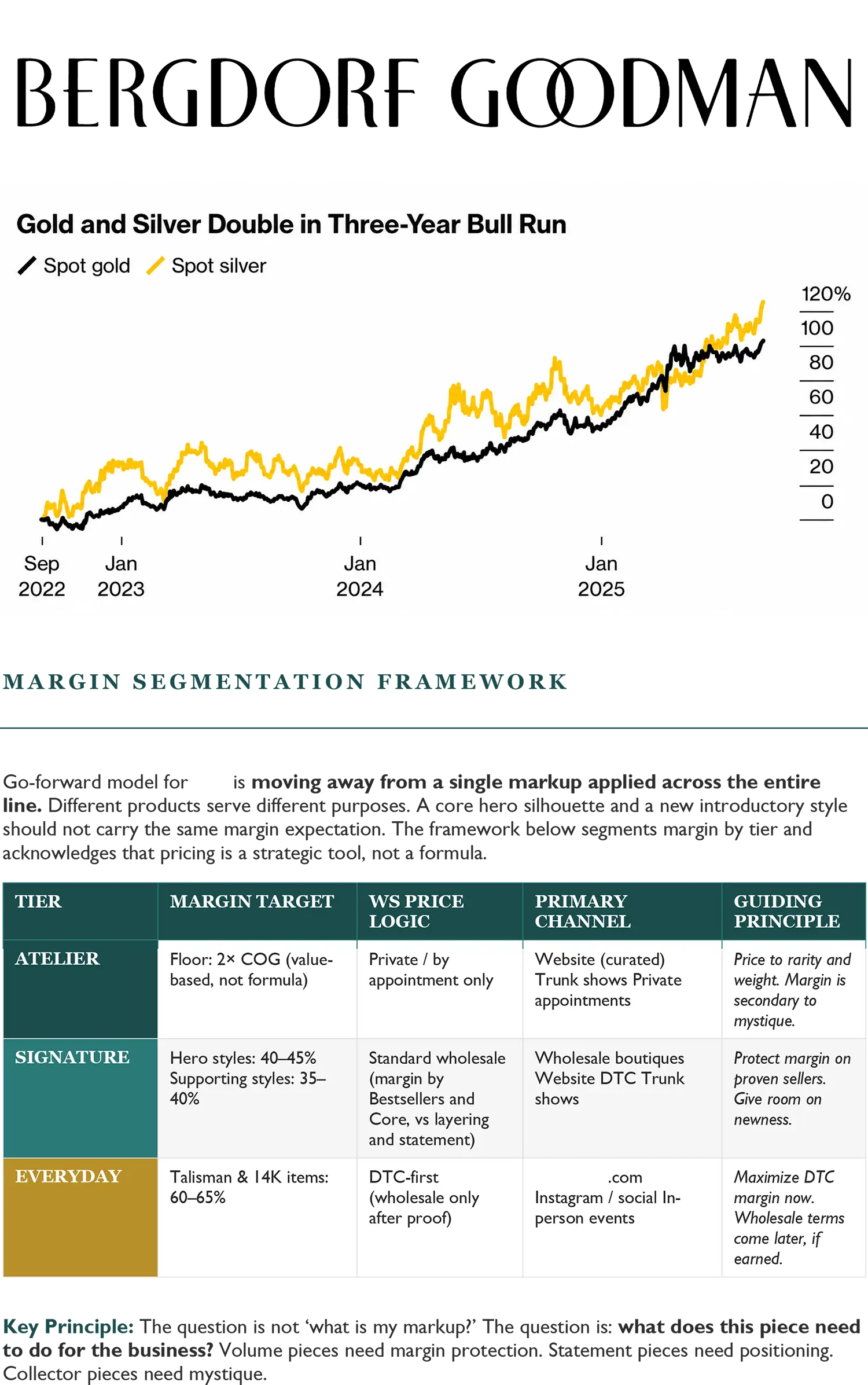
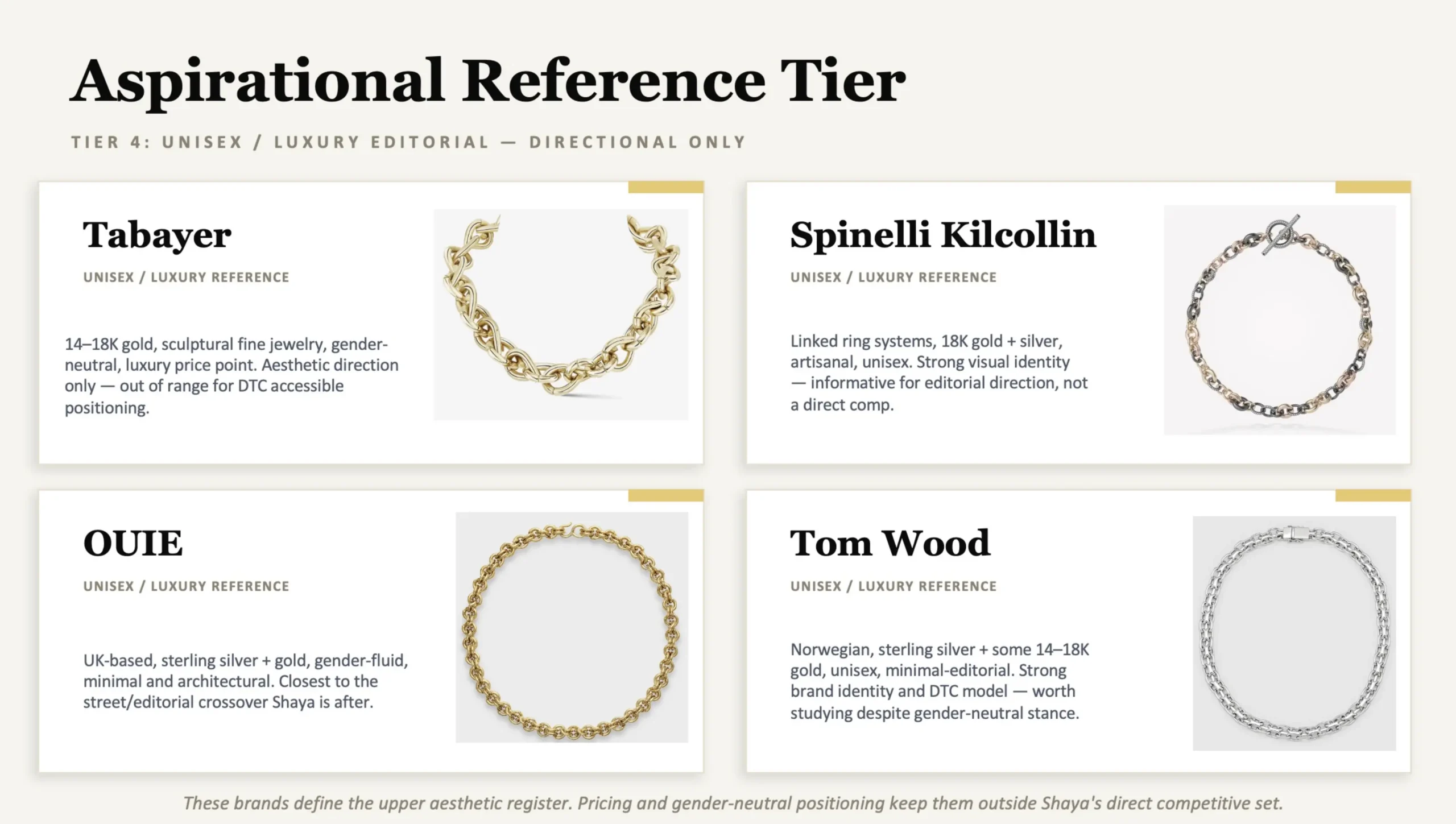
A couture jewelry designer sold through Bergdorf Goodman and other luxury retail channels was navigating a shifting wholesale landscape, gold volatility, and broader retail disruption.
The brand had a strong creative identity, but needed a clearer structure to support revenue growth, product segmentation, pricing discipline, and channel strategy without diluting its design DNA.
FACEts organized the brand and assortment into three distinct but complementary tiers, each with its own product identity, pricing logic, customer profile, and channel strategy.
The work included merchandising architecture, margin review, product segmentation, customer positioning, and phased go-to-market recommendations designed to help the designer protect creative integrity while building a more commercially disciplined brand structure.
The designer gained a structured three-tier brand architecture, a more disciplined margin strategy, clearer product segmentation, and a phased roadmap for rebuilding revenue with intention.
Theresult was a more organized brand platform that preserved the designer’s creative identity while supporting sustainable long-term growth across multiple customer and selling channels.
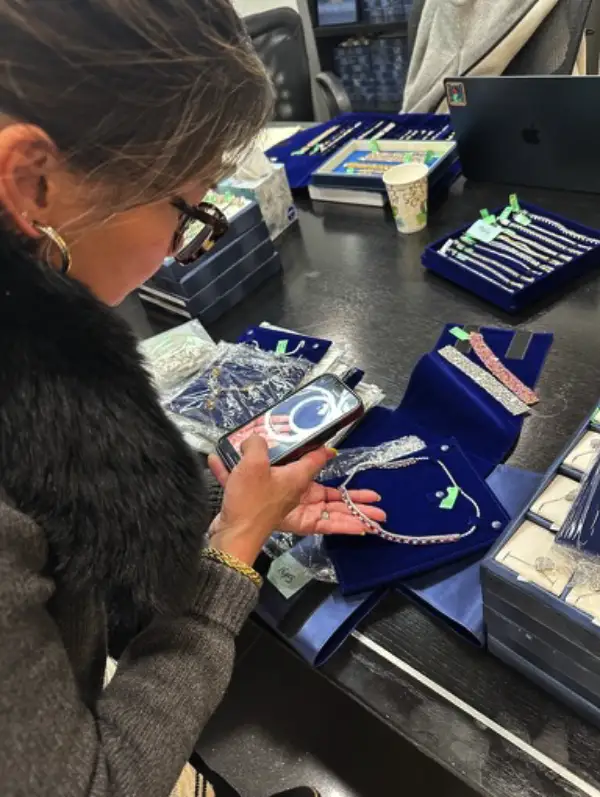
A multi-generational fine jewelry manufacturer was preparing to launch its first direct-to-consumer boutique while sitting on more than $10M in aging inventory. The assortment lacked clear segmentation, customer context, and a cohesive retail-facing story.
FACEts audited and segmented the assortment across multiple selling channels, redirecting select styles toward off-price, destination retail, and auction opportunities while identifying stronger pieces for newly curated B2C collections.
Using sales data, product segmentation, and targeted price points, FACEts developed a merchandising architecture rooted in the brand’s strengths in natural color diamonds, gemstones, mixed cuts, and modern setting styles. Collection narratives gave aging inventory renewed relevance, supported by customer targeting, tiered pricing, and a distinctive yet repeatable brand aesthetic designed to build long-term brand equity.

More than $10M USD in aging inventory was reviewed, segmented, and repositioned through a branded merchandising lens.
The project transformed existing products into curated B2C collections with clearer customer targeting, stronger visual identity, and minimal need for new production.
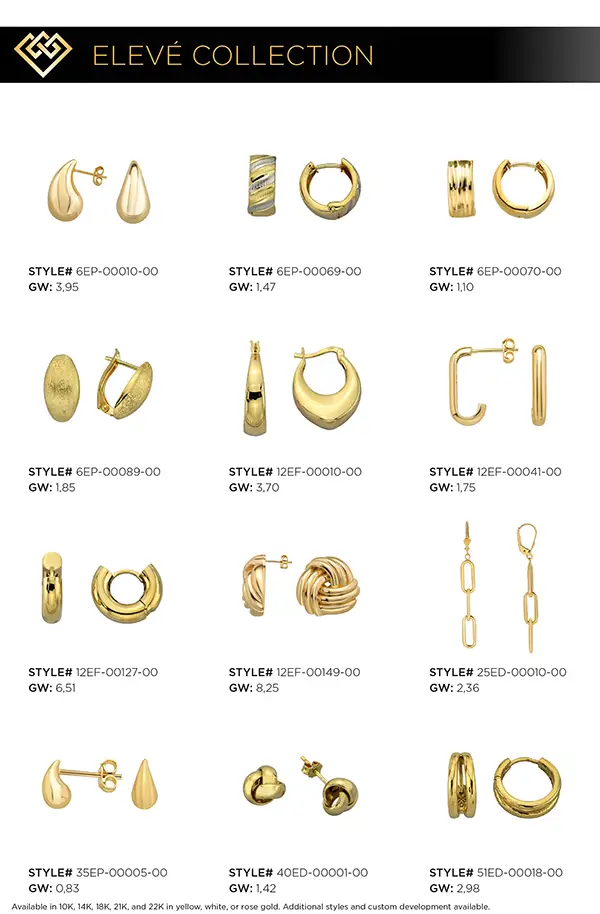
A global gold manufacturer with more than 15,000 SKUs needed a clearer path to enter the U.S. market and serve independent, family-owned, and multi-location jewelry retailers.
The challenge was not product capability; it was focus, pricing, and market readiness. The assortment needed to be edited through the lens of the U.S. customer, with entry-level 14K gold options that supported everyday conversion.
Working directly with the CEO/owner, FACEts applied the 5 P’s of Merchandising™ to filter the assortment through Product, Price, People, Place, and Presentation.
The work included curating timely gold looks into a focused product catalog, building retailer-friendly capsules, clarifying price architecture, supporting turn-key display concepts, and developing terms, conditions, and best practices for selling to U.S. retailers.
FACEts transformed a high-volume international assortment into a more focused, U.S.-ready merchandising strategy.
The project narrowed 15,000+ SKUs into a digestible product catalog and capsule approach, supported by entry-level 14K gold pricing, curated product stories, display-ready packages, and clearer tools for retailer adoption.
A second-generation gold supplier with strong Italian manufacturing know-how wanted to explore new growth opportunities beyond its existing wholesale and high-volume business serving membership-based retailers such as Costco and Sam’s Club.
The opportunity was twofold: first, to support a pitch for a wearable technology company by connecting the client’s manufacturing capabilities with design direction and market positioning; and second, to evaluate the potential for a B2C bonded gold jewelry brand.
FACEts identified market white space through competitive analysis, pricing review, customer research, and merchandising strategy.
For the wearable tech pitch, FACEts helped translate manufacturing capability into a clearer product and investment story, supported by design direction, targeted pricing, competitive positioning, and commercial use cases.
For the bonded gold concept, FACEts developed product and merchandising architecture with customer profiles, aesthetic direction, pricing considerations, and launch planning.
The work gave the client two distinct pathways for growth beyond its existing wholesale model.
The wearable tech project resulted in a more polished, investor-ready pitch that connected product potential with manufacturing credibility and market relevance. The bonded gold strategy established the foundation for a potential B2C brand, with defined customer archetypes, product direction, merchandising structure, and go-to-market strategy.